

Due out on October 14, Relational Intelligence: For Conscious Therapeutic Engagement in the Service of Trauma Healing, by Dr. François Le Doze (Éditions Quantum Way), offers a new way of understanding and supporting deep traumatic wounds and traumatic dissociation.
For much of the 20th century, psychotherapy approached psychological suffering primarily through speech, representations, memories, inner conflicts, and personal history. This approach has profoundly shaped the way we understand psychological care. But it also left in the shadows a dimension that has now become essential: the role of the body, the nervous system, and relationship in traumatic wounds.
François Le Doze’s Relational Intelligence® model is part of this evolution. The aim is not to dismiss the legacy of talk-based approaches, but to broaden it. Findings from the neuroscience of trauma, attachment theory, and body-based approaches show that trauma cannot be reduced to a painful narrative or a psychic conflict. It also involves defensive responses, neurophysiological states, bodily memory, and a more or less impaired capacity to feel safe with oneself and with others.
When the body returns to the center of care
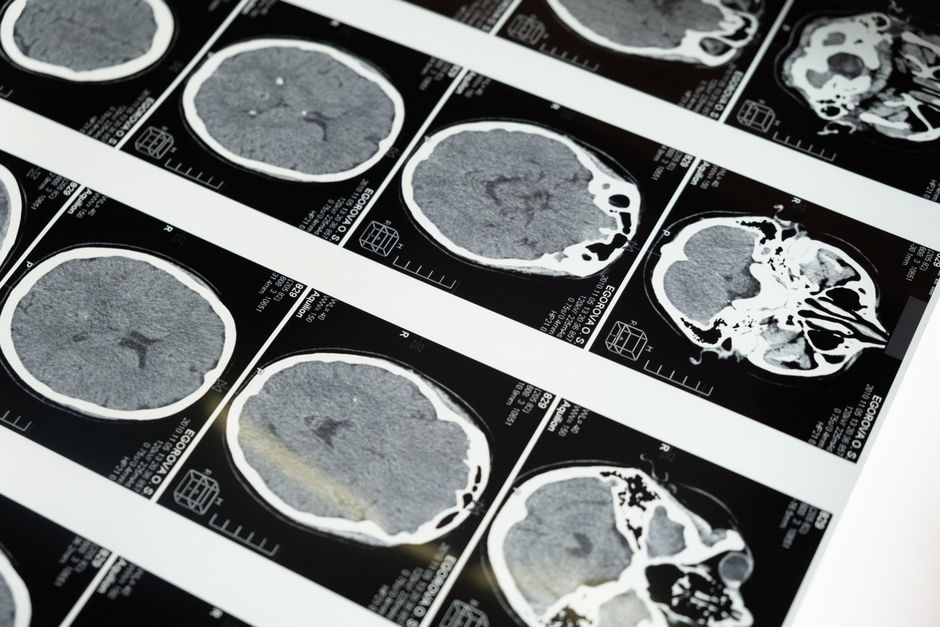
From the 1990s onward, research on the brain, memory, emotions, and threat responses profoundly renewed our understanding of trauma. Brain imaging did not, on its own, “explain” psychological suffering, but it made it possible to observe, with new precision, certain brain dynamics associated with fear, traumatic memory, and emotional regulation.
This work helped shift the clinical perspective. When a person relives a traumatic experience, it is not just a memory coming back. Often an entire bodily state is reactivated: tension, shock, acceleration, collapse, withdrawal, loss of access to words, or the feeling of being in danger again. Trauma is therefore not only a story to be told differently. It is also an organization of the nervous system, shaped by insecurity and by the need to survive.
It is this shift that the Relational Intelligence® model takes seriously. The body is not viewed as a mere receptacle for symptoms, but as a living place where the traces of trauma, protective strategies, and possibilities for transformation all come to light.
A malleable traumatic memory

Another major contribution of contemporary research concerns the malleability of memory. Work on reconsolidation has helped show that an old emotional learning, when reactivated under certain conditions, can be updated rather than simply repeated. For psychotherapy, this perspective is essential: a traumatic memory is not just content to be recounted, but an emotional and bodily experience that sometimes continues to organize the present as if the danger were still there.
Therapeutic work therefore does not consist solely in explaining the past. It consists in allowing the nervous system to encounter, in the present, an experience different enough for what had remained frozen to gradually transform. The goal is not to erase the past, but to make it possible for the body, the emotions, and the wounds to stop being governed by an old threat.
The therapeutic relationship as a support for regulation
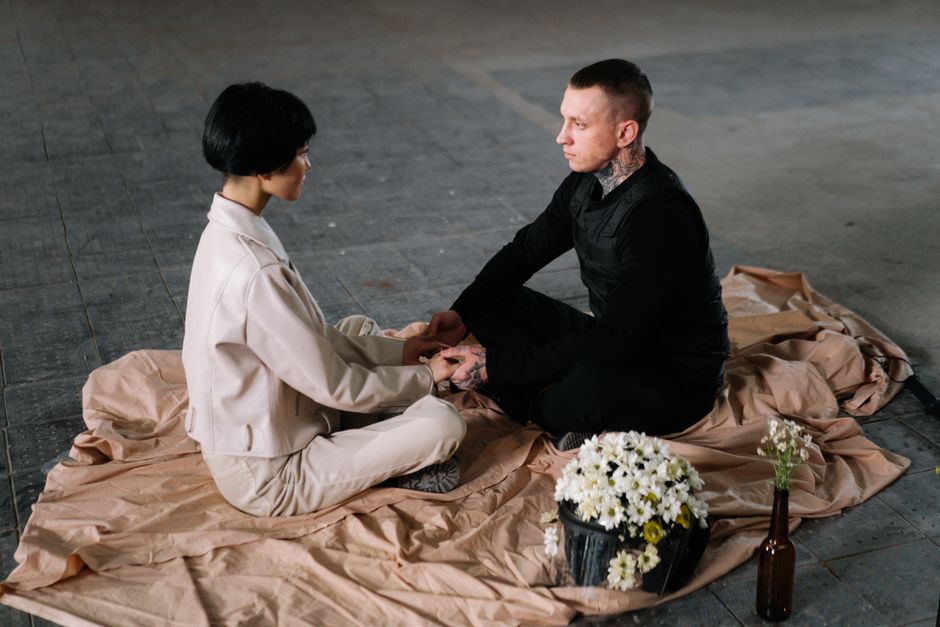
Bringing the body back does not mean reducing psychotherapy to brain mechanics. On the contrary, it helps us better understand why the relationship is so central. The human nervous system develops within relationships: from life’s earliest experiences, inner safety is built through contact with attachment figures who are sufficiently available, predictable, and regulated.
This is one of the key tenets of Relational Intelligence®: certain wounds, especially those involving attachment and traumatic dissociation, cannot always be transformed through self-regulation alone. They need to be met within a sufficiently safe therapeutic relationship, where the body, emotions, and defensive responses can gradually rediscover an experience of safety.
From this perspective, the therapeutic relationship is not merely a caring framework or a source of moral support. It becomes a support for regulation. The therapist’s presence, pace, attention, and way of remaining engaged without being intrusive can help the patient come into contact with what, within them, had become organized around fear, withdrawal, or defense.
What this changes for the patient
This shift in perspective has very concrete consequences. A person who cannot talk about their trauma is not necessarily resistant: their nervous system may simply not yet be in a state where words are accessible. A person who feels overwhelmed—or, on the contrary, shut down and disconnected—is not failing to heal: they are displaying protective responses that, at some point in their history, served a survival function.
This understanding relieves guilt. It turns the question “What is wrong with me?” into a different inquiry: “What was my nervous system trying to protect me from, and what does it need today to feel safe?”
Relational Intelligence® thus invites us to view symptoms not as isolated failures, but as traces of a protective organization. This organization does not change through force or willpower alone. It can evolve when the patient encounters, in their body and in the relationship, a safety stable enough that their defenses no longer have to operate as before.
A break that does not erase the legacy
It would be wrong to think that this evolution dismisses the entire legacy of approaches grounded in speech and psychic life. The idea that certain contents escape awareness, act without our knowledge, and steer our behavior remains essential. What changes is how we understand them and how we reach them.
Whereas the analytic tradition has often conceived of these contents as repressed representations, contemporary approaches to trauma also understand them as emotional and bodily learnings, embedded in memory networks, defensive responses, and nervous system states. Unconscious material does indeed exist, but it often presents itself as physiological states, impulses, sensations, or automatic reactions rather than as memories that can be readily put into words.
This reformulation has an important practical consequence: a traumatic wound cannot always be reached through interpretation or discourse. Sometimes one must first go through the body, safety, pacing, presence, and relationship before words can come to shed light on the experience.
The contribution of Relational Intelligence®
It is on this ground that François Le Doze developed Relational Intelligence®. His model offers a trauma psychotherapy that brings together the body, consciousness, wounds, the autonomic nervous system, and the therapeutic relationship. The aim is not to set speech against the body, or inner life against relationship, but to have them work together.
Relational Intelligence® starts from a simple clinical observation: when a wound took shape in relational insecurity, the relationship can become a privileged place of repair—provided it is sufficiently conscious, attuned, and respectful of the patient’s pace.
This is what is explored in Relational Intelligence: For Conscious Therapeutic Engagement in the Service of Trauma Healing. The book shows how the quality of the therapeutic relationship can become a driver of regulation—not by replacing the patient’s own inner work, but by providing the conditions of safety needed for that work to become possible.
Frequently asked questions
Why is trauma said to be held in the body?
Because trauma is not just a painful memory: it is also an organization of the nervous system. When a person relives a traumatic experience, an entire bodily state is reactivated—tension, shock, acceleration, collapse, withdrawal, or loss of access to words. These defensive responses were shaped by insecurity and by the need to survive.
Can a traumatic memory be transformed?
Research on reconsolidation has helped show that an old emotional learning, when reactivated under certain conditions, can be updated rather than simply repeated. The goal is not to erase the past, but to make it possible for the body, the emotions, and the wounds to stop being governed by an old threat.
Why are some people unable to talk about their trauma?
A person who cannot talk about their trauma is not necessarily resistant: their nervous system may simply not yet be in a state where words are accessible. Likewise, feeling overwhelmed—or, on the contrary, shut down and disconnected—is not a failure, but the expression of protective responses that once served a survival function.
Does Relational Intelligence® reject talk therapies?
No. The aim is not to dismiss the legacy of talk-based approaches, but to broaden it. The idea that certain contents escape awareness and steer our behavior remains essential. What changes is how we reach them: sometimes one must first go through the body, safety, pacing, and relationship before words can shed light on the experience.
Also in this series
Going further
Does this resonate with you?
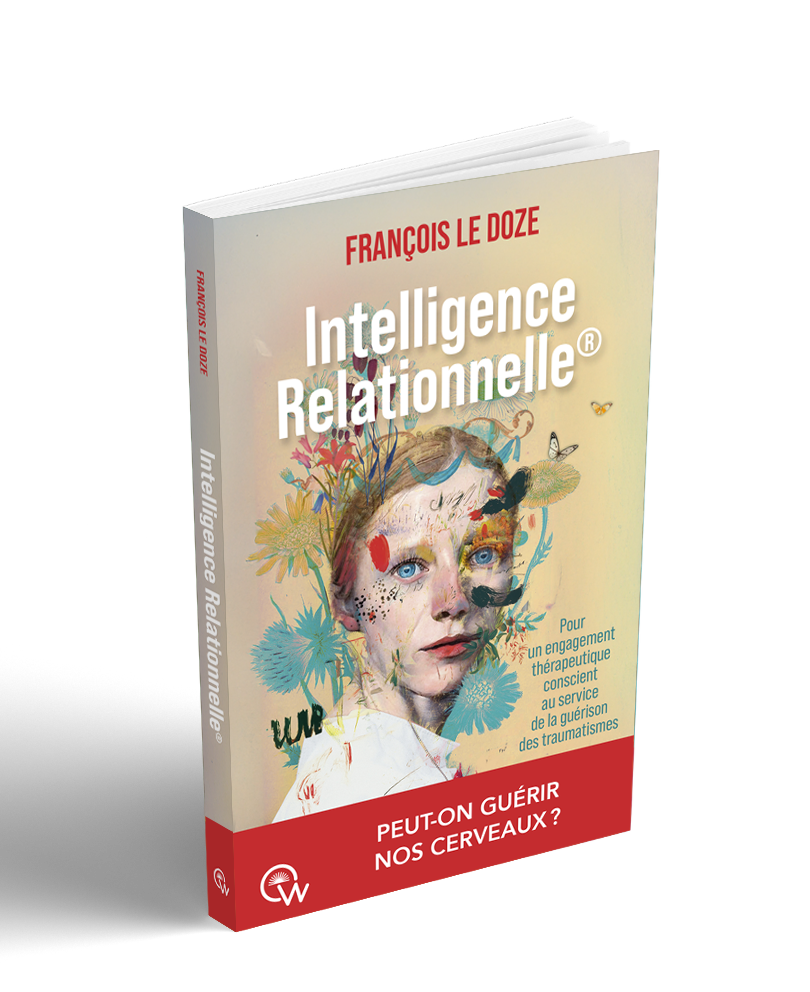
The book Relational Intelligence: For Conscious Therapeutic Engagement in the Service of Trauma Healing (released October 14) presents the model in detail.
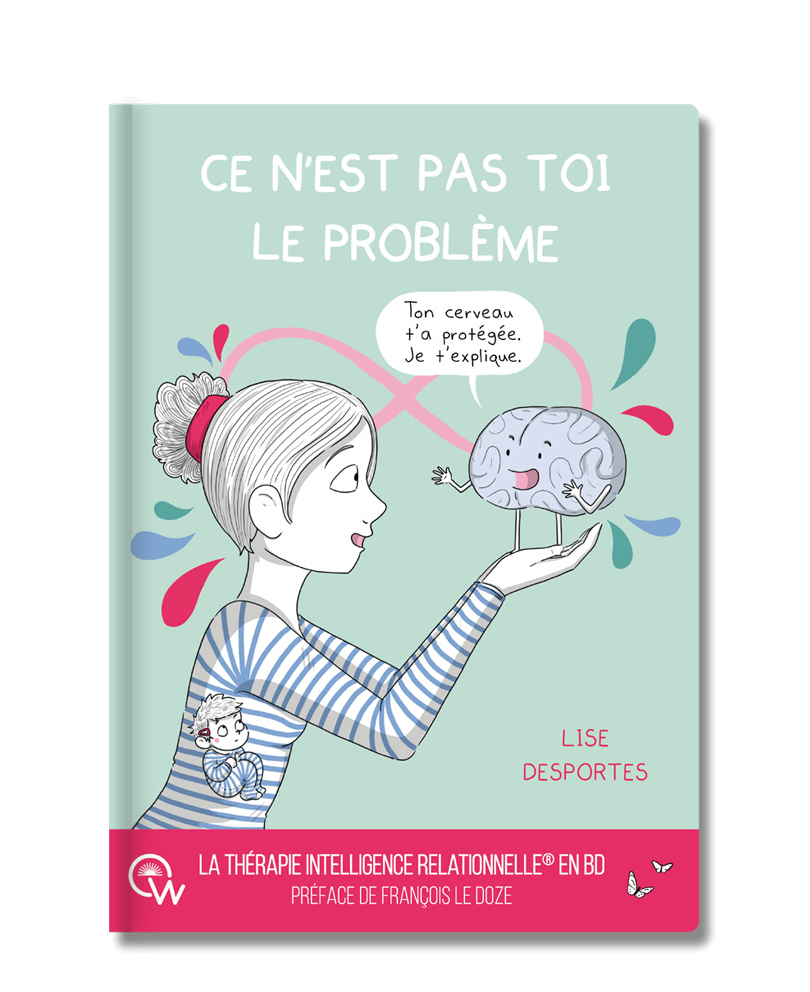
Looking for a simple resource to introduce these ideas to your patients?
It’s Not You That’s the Problem, the graphic novel by Lise Desportes with a foreword by François Le Doze (released August 26), makes these concepts accessible.
Are you a practitioner who would like to train in Relational Intelligence®?
 Français
 English