

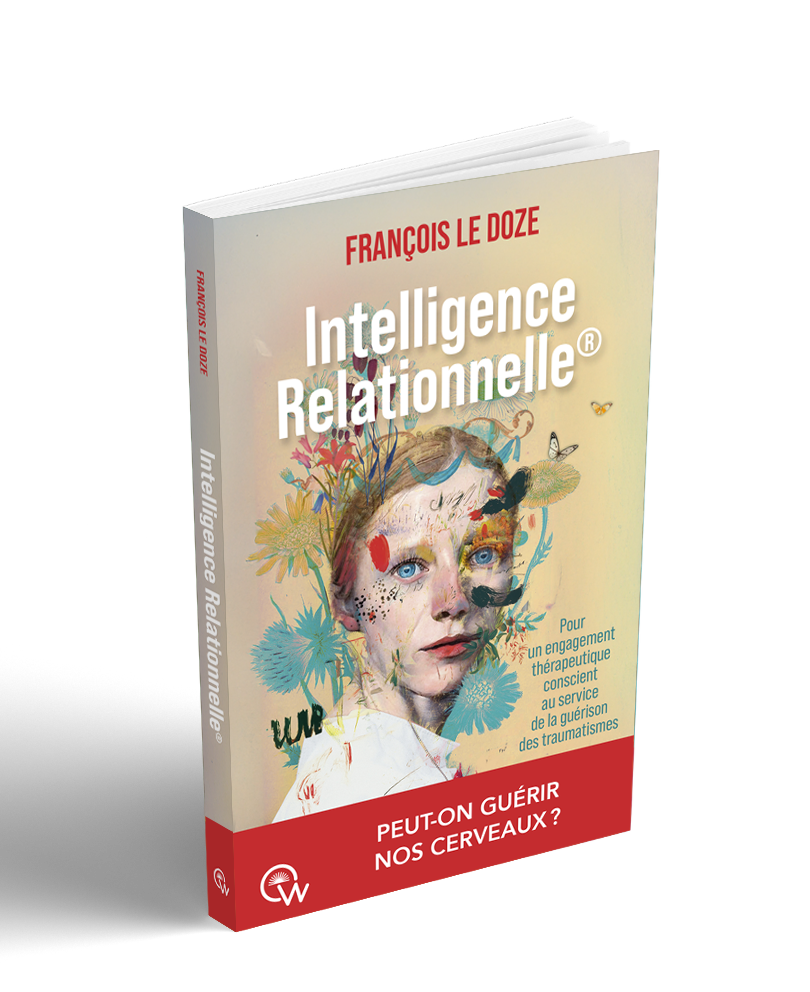
Due out on October 14, Relational Intelligence: For Conscious Therapeutic Engagement in the Service of Trauma Healing, by Dr. François Le Doze (Éditions Quantum Way), offers a new way of understanding and supporting deep traumatic wounds and traumatic dissociation.
Trauma is not just a matter of narrative

For a long time, psychotherapy approached psychological suffering mainly through representations, internal conflicts, personal history, and self-narrative. These dimensions remain essential. But insights from the neuroscience of trauma, attachment theory, and body-based approaches have profoundly renewed our understanding: trauma does not concern only what a person thinks or tells themselves. It also involves the body, the nervous system, defensive responses, and the capacity to feel safe with oneself and with others.
Relational Intelligence: healing trauma through relationship

It is out of this evolution that François Le Doze developed the Relational Intelligence® model. His model starts from a simple clinical observation: some wounds are not transformed by intellectual understanding or inner work alone. When they are linked to relational insecurity, they need to be met within a relationship that is sufficiently safe, attuned, and conscious.
In this model, the therapeutic relationship is not merely a caring setting or a source of moral support. It becomes a genuine lever for regulation, making it possible to come into contact with defensive responses and with the forms of traumatic dissociation organized around insecurity. Drawing on Internal Family Systems, polyvagal theory, and attachment theory, RI brings together the body, the nervous system, and the relational bond in a single process of transformation.
At the heart of the model: Conscious Therapeutic Engagement

At the heart of the model lies Conscious Therapeutic Engagement: a way for the therapist to be present and attuned, attentive to the state of the patient’s nervous system as well as their own, in order to stay as close as possible to the person’s experience without pushing them beyond what they can integrate.
A book for helping professionals
Relational Intelligence is intended for helping professionals as well as informed readers who want to understand how the relationship, when it is sufficiently attuned, can become a central driver of regulation and repair. It also opens onto the training programs offered by Self Thérapie Formation, designed to pass on the reference points, stance, and clinical practice of the RI model.
Frequently asked questions
What is Relational Intelligence®?
Relational Intelligence® is a model of psychotherapy developed by Dr. François Le Doze, a neurologist and psychotherapist. It views the therapeutic relationship as a lever for regulating the nervous system, rather than as a mere supportive setting. The model integrates contributions from Internal Family Systems, polyvagal theory, and attachment theory to address deep traumatic wounds and traumatic dissociation.
How does Relational Intelligence® differ from talk therapies?
Narrative-centered approaches work mainly with representations, internal conflicts, and personal history. Relational Intelligence® retains these dimensions but adds the body, the nervous system, and defensive responses. Some wounds linked to relational insecurity are not transformed by intellectual understanding alone: they need to be met within a relationship that is sufficiently safe and attuned.
What is Conscious Therapeutic Engagement?
It is the central concept of the model. It refers to a way for the therapist to be present and attuned: attentive to the state of the patient’s nervous system as well as their own, in order to stay as close as possible to the person’s experience without pushing them beyond what they can integrate.
Who is the book Relational Intelligence for?
The book is intended for helping professionals — psychiatrists, psychologists, psychotherapists, psychotherapy practitioners, coaches, educators — as well as informed readers who want to understand how the relationship can become a central driver of regulation and repair. It also opens onto the training programs offered by Self Thérapie Formation.
Also in this series
Going further
Does this resonate with you?
The book Relational Intelligence: For Conscious Therapeutic Engagement in the Service of Trauma Healing (released October 14) presents the model in detail.
Looking for a simple resource to introduce these ideas to your patients?
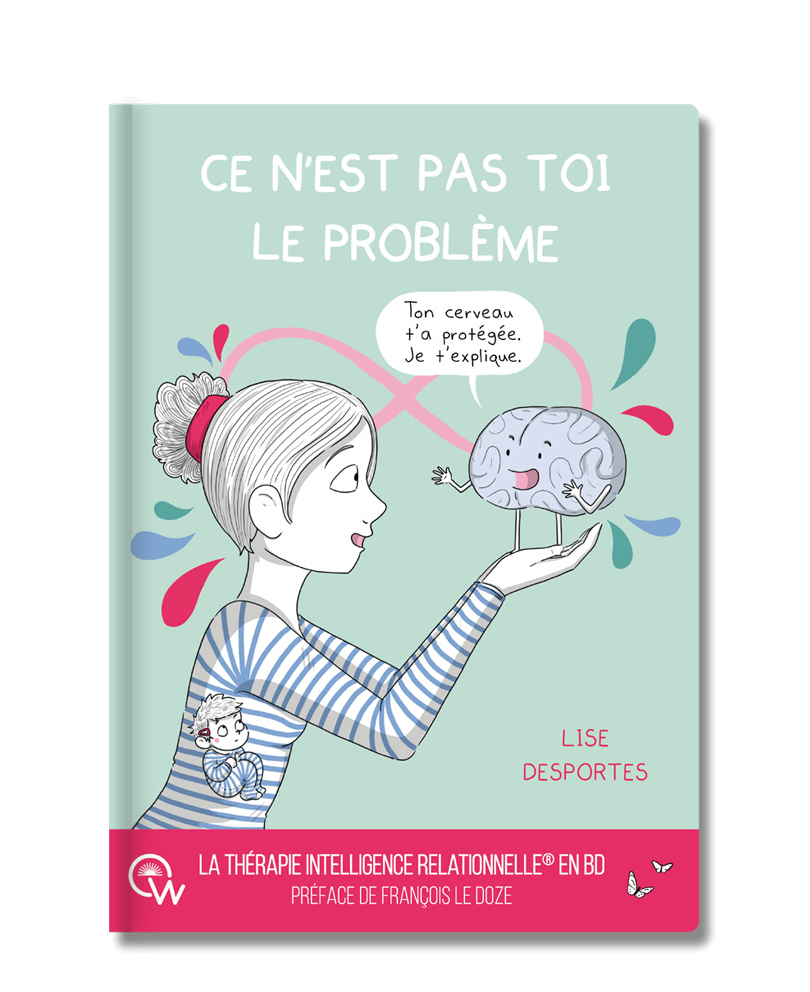
It’s Not You That’s the Problem, the graphic novel by Lise Desportes with a foreword by François Le Doze (released August 26), makes these concepts accessible.
Are you a practitioner who would like to train in Relational Intelligence®?
 Français
 English