Les publications à propos du modèle Intelligence Relationelle®
Lise Desportes · Foreword: François Le Doze
It’s Not You That’s the Problem — Your Brain Protected You. Let Me Explain.
A psychoeducation tool for practitioners and their patients, to understand how our experiences shape our nervous system and our relationships, and how RI therapy enables deep transformation through the experience of safety.
Somatic-oriented Therapies: Embodiment, Trauma, and Polyvagal Perspectives
An innovative collection of research and theory in the fields of trauma and somatic therapies
Cet ouvrage en anglais rassemble les avancées majeures des thérapies somatiques. Face à des approches autrefois dispersées, il valorise l’alliance corporelle entre thérapeute et patient, la confiance clinique et l’écoute du corps comme leviers d’une transformation profonde.
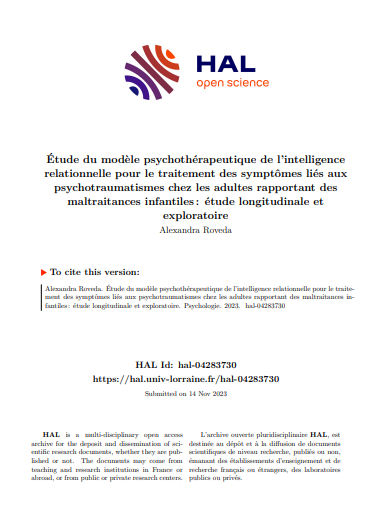
Étude du modèle psychothérapeutique de l’intelligence relationnelle
Mémoire de Master par Alexandra Roveda
Study of the relational intelligence psychotherapeutic model for the treatment of psychotrauma-related symptoms in adults reporting childhood maltreatment: a longitudinal and exploratory study.
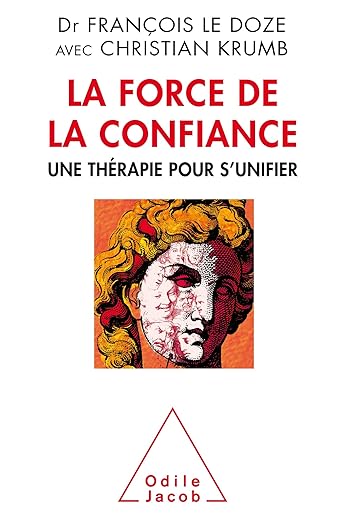
La Force de la confiance: Une Thérapie pour s'unifier
Restaurer le Self pour pacifier les conflits intérieurs
Face aux conflits psychiques et aux blocages répétitifs, François Le Doze explore le modèle IFS. Cette approche réconcilie les différentes « parts » intérieures en réinstallant le Self comme guide central afin de restaurer durablement l’harmonie et l’énergie vitale de la personne.
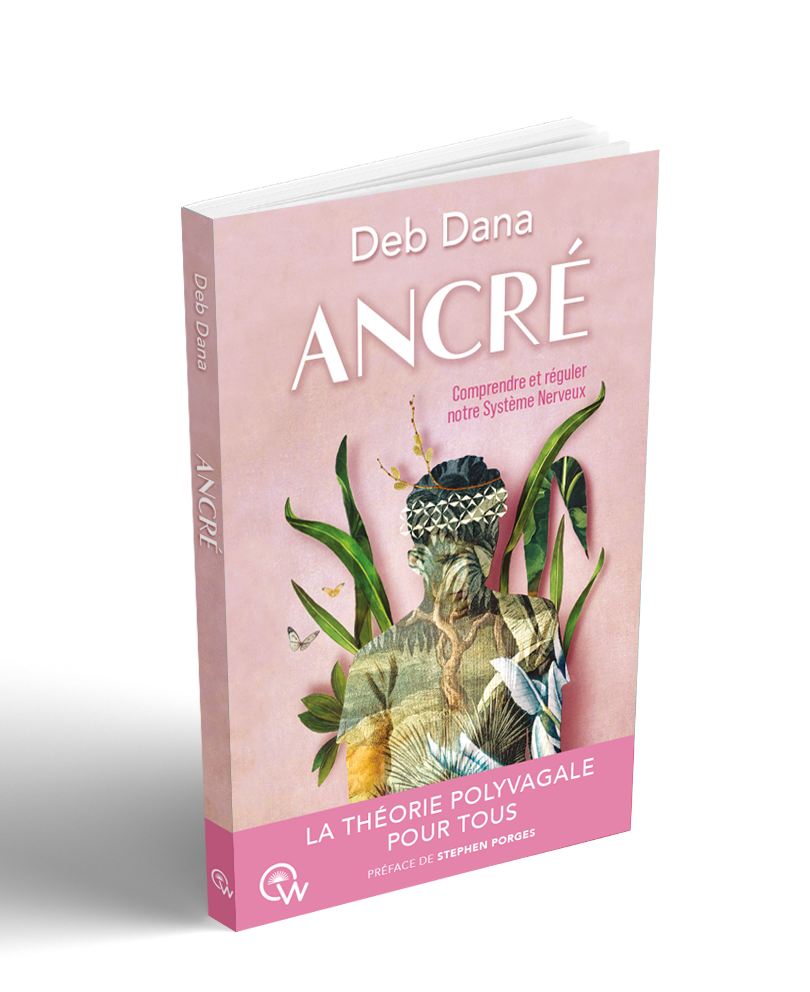
Comment vous lier d'amitié avec votre système nerveux
En s’appuyant sur la théorie polyvagale, Deb Dana montre comment apprivoiser son propre système nerveux autonome afin d’apaiser le stress. En apprenant à s’ancrer dans la sécurité intérieure, chacun développe sa résilience et améliore ses relations grâce aux bienfaits de la corégulation.
This website uses cookies. By continuing your browsing, without changing your browser settings, you accept the use of cookies to ensure a good experience on our site.



 Français
 English